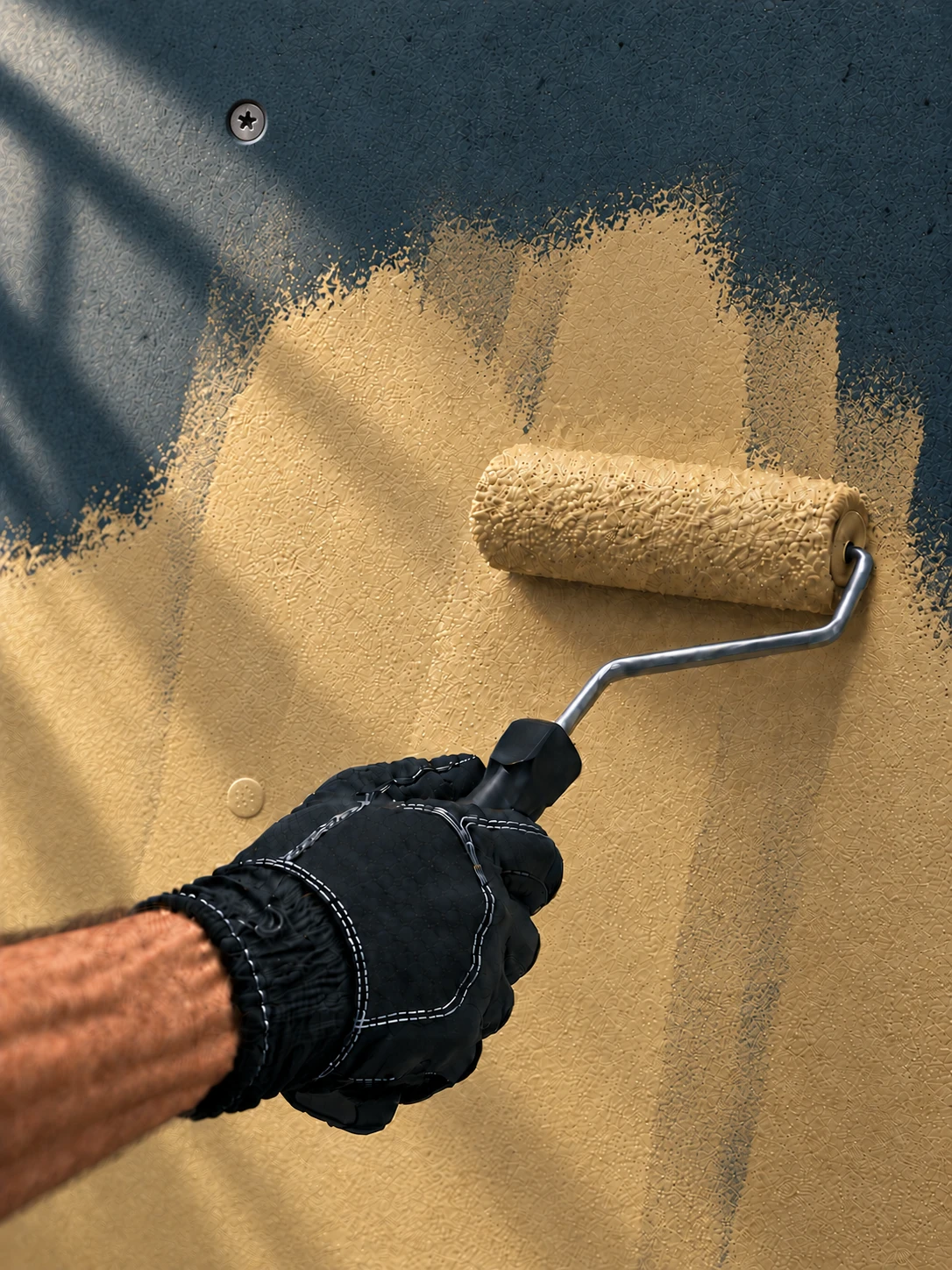
The work beneath the tile matters as much as the finished surface. Dream Tile Installation treats waterproofing and sealing as essential preparation for protecting the underlying materials in areas exposed to water and moisture.
Protection Beneath the Surface
Waterproofing helps prevent water from reaching moisture-sensitive materials behind and beneath the tile. Although this layer is hidden after installation, careful work at this stage helps reduce the risk of damage and costly repairs later.
Where Waterproofing Matters
Depending on the project, waterproofing may be needed for:
Shower walls and shower pans.
Walls surrounding bathtubs.
Selected floor areas exposed to water.
Benches, niches, curbs and their connections within a shower assembly.
Different Materials, Different Waterproofing Methods
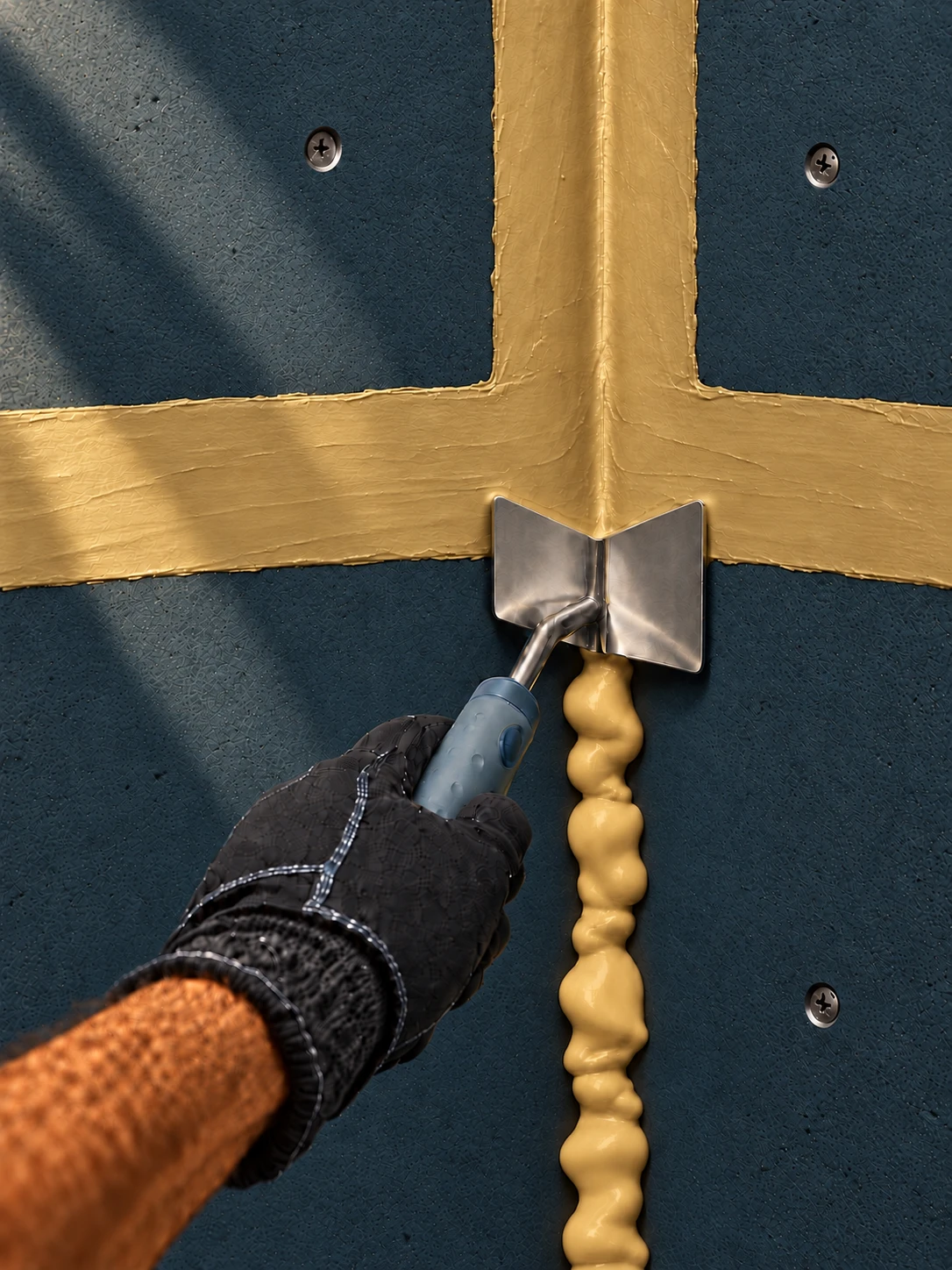
Some shower panels and components are waterproof by design. They still need correctly treated joints, corners and fastener locations to form a complete waterproof assembly. Other substrates require an additional waterproofing layer. The required treatment follows the selected system’s installation requirements.
Sealing the Connections
Sealing focuses on the joints and connections within the waterproofing assembly. We pay close attention to these details so the individual elements work together as a continuous protective system.
Suitable system sealants may also provide adhesion at specified connections. Their role and application depend on the selected materials and system requirements. This work is separate from finishing exposed tile joints with caulk.
Materials We Know Through Experience
We give preference to materials we have researched, used and evaluated in our own work. That hands-on experience guides our selection and gives us confidence in the quality of the materials we choose.
Additional Requirements for Steam Showers
Steam showers need protection against both liquid water and water vapor. The selected assembly must be suitable for that use, including its surfaces, joints and penetrations.
Shower Pan Waterproofing and Sealing
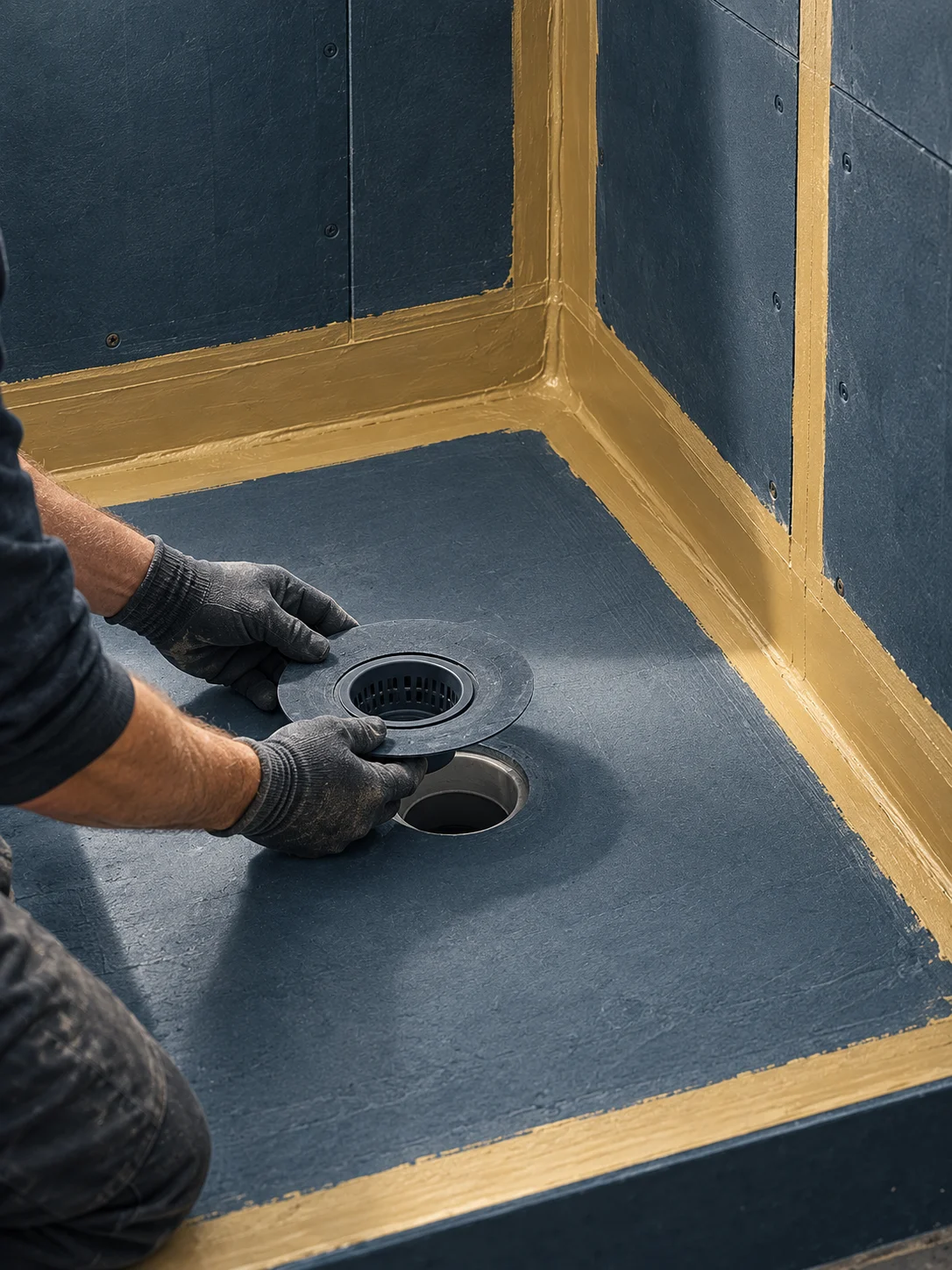
The shower pan receives direct water exposure and channels it toward the drain. Its base, wall connections and drain assembly must work together as one waterproof system.
Prefabricated Foam Shower Pans
Ready-made systems may include a waterproof surface and a built-in slope. The base-to-wall joints and drain details are completed with the components specified for that system.
Traditional Mortar Shower Pans
A site-built mortar base is another option. It needs the appropriate waterproof membrane or liner and a compatible drain assembly; the mortar itself is not the waterproofing layer.
Pay Attention to the Drain Connections
Two separate connections need attention: the waterproofing layer to the drain, and the drain to the waste pipe. Both must be correctly completed using the appropriate method for the selected assembly.